What do a Celtic Pagan festival and psychoanalyst Carl Jung have in common? Let’s explore…
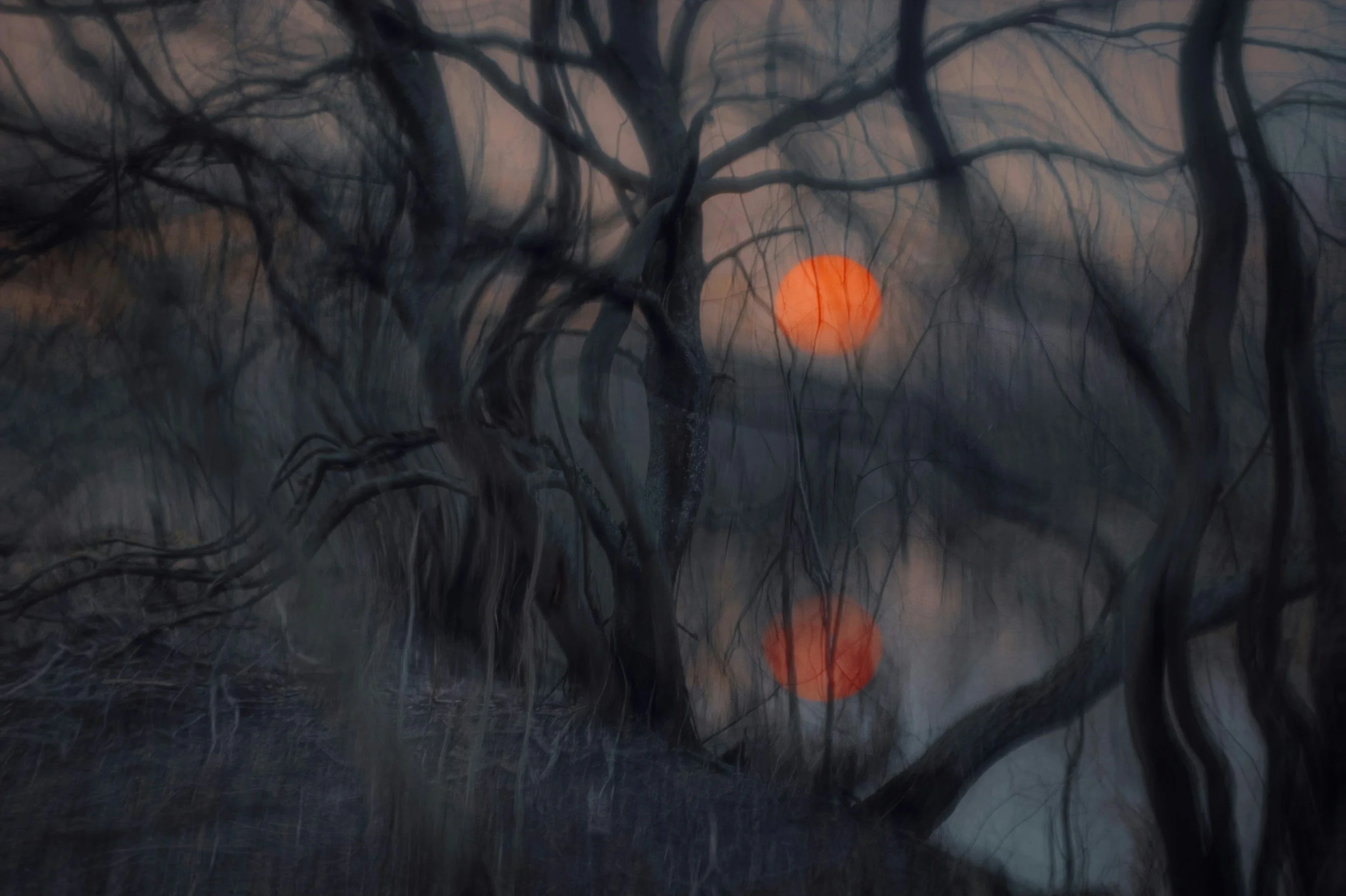
Samhain - pronounced sow-in or sow-een - is a fire festival celebrated by the ancient Celtic pagans and neopagans today. Much of our Halloween activities are based on Samhain traditions, such as carving pumpkins (though it would have been turnips back in the day), ghost stories, spooky fancy dress and bonfires.
It’s a celebration of the harvest and recognition of the start of the dark half of the year; the Celtic calendar being divided into two halves and Samhain marking the descent into darkness. This was not seen as something negative, but part of natures cycle. At this time, it was believed that the veil between our world and the Otherworld was thin, allowing spirits to pass through and walk among us. Folks would dress up as ghouls in the hope the real deal would think it was one of them and not cause them harm. Equally it was a time to connect to ancestors and receive their wisdom or guidance. As it was seen as New Year - the year beginning, like a seed or embryo, in darkness - fortune telling was common along with sacrificial rituals such as burning the bones of animals used for the celebratory feasts (bone fire….bonfire) to cleanse, bring good luck and appease deities for the season ahead. The attitude of the festival is one of embracing, being with and welcoming death and darkness and seeing them as necessary parts of life.
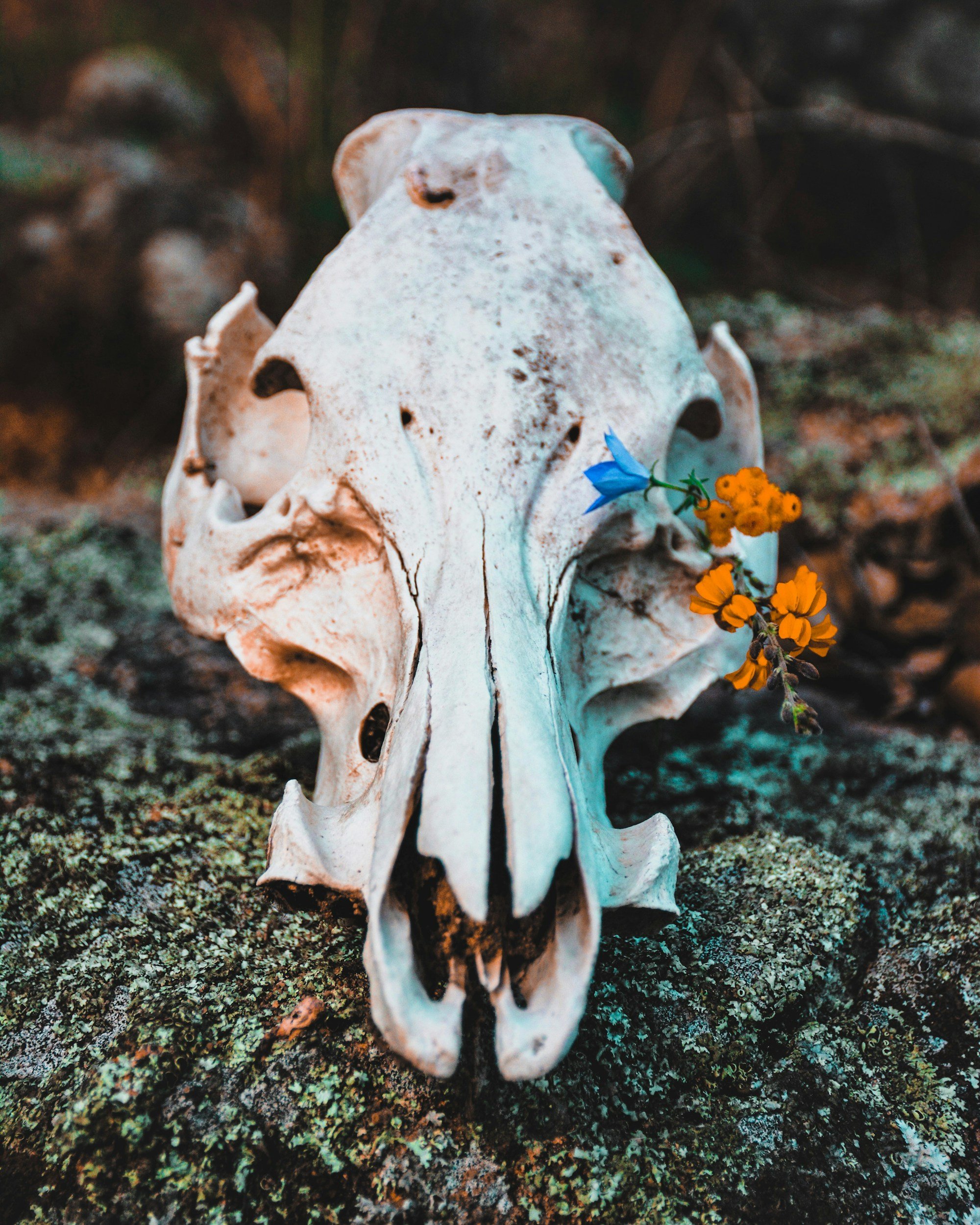
Shadow theory is one of Jung’s most well known and enduring ideas. For those unfamiliar with Carl Jung, he was a pioneer of psychotherapy, friends with Freud (until they fell out) and creator of many psychological insights such as introversion/extroversion and the collective unconscious. Unusually for the time and his profession, he believed in the value of spirituality and saw spiritual practices (such as Samhain traditions) as a manifestation of our desire for wholeness and connection with things larger then/outside of our individual selves.
For Jung, health was equal to wholeness, and this was the goal of analysis. He theorised that we have a ‘shadow self’ that comprised of all the rejected or unacceptable parts of ourselves that were repressed and relegated to the unconscious. The shadow in many ways is our personas opposite and in various stories and films it’s depicted as a ‘doppelganger’ or ‘evil twin’.
An example might be: if you were raised to be a good, quiet little girl who didn’t cause any trouble, your shadow would likely include being rude, loud and demanding. Or, if you have traditional values you might disown the parts of you that are ‘weird’ or unconventional.
A good way to start to discover what’s in your shadow is to think of what you really dislike about others. One example I can give for myself is littering - it fills me with an irrational rage. In many ways intentional littering is the opposite of my values; careless, disregard for nature, ignorant, mindless, lazy etc. I’m getting angry just thinking about it! But Jung would say that I also am capable of being any of these things - just as we all are - and to deny these parts completely, to keep them relegated to the darkness of the unconscious, is to keep the self divided. He suggested that these banished parts did not just disappear, that we will unconsciously act them out, possibly in harmful ways.
"The psychological rule says that when an inner situation is not made conscious, it happens outside, as fate. That is to say, when the individual remains divided and does not become conscious of his inner opposite, the world must perforce act out the conflict and be torn into opposing halves." - Jung, Aion: Researches into the Phenomenology of the Self (1951)
The aim, according to Shadow Theory, is to become whole - in a holistic sense - by integrating our shadow into our conscious selves. This is why I feel Samhain is the perfect time for this work; perhaps the veil between inner worlds is also thin, and we can find the courage to sit with the darker parts of ourselves.
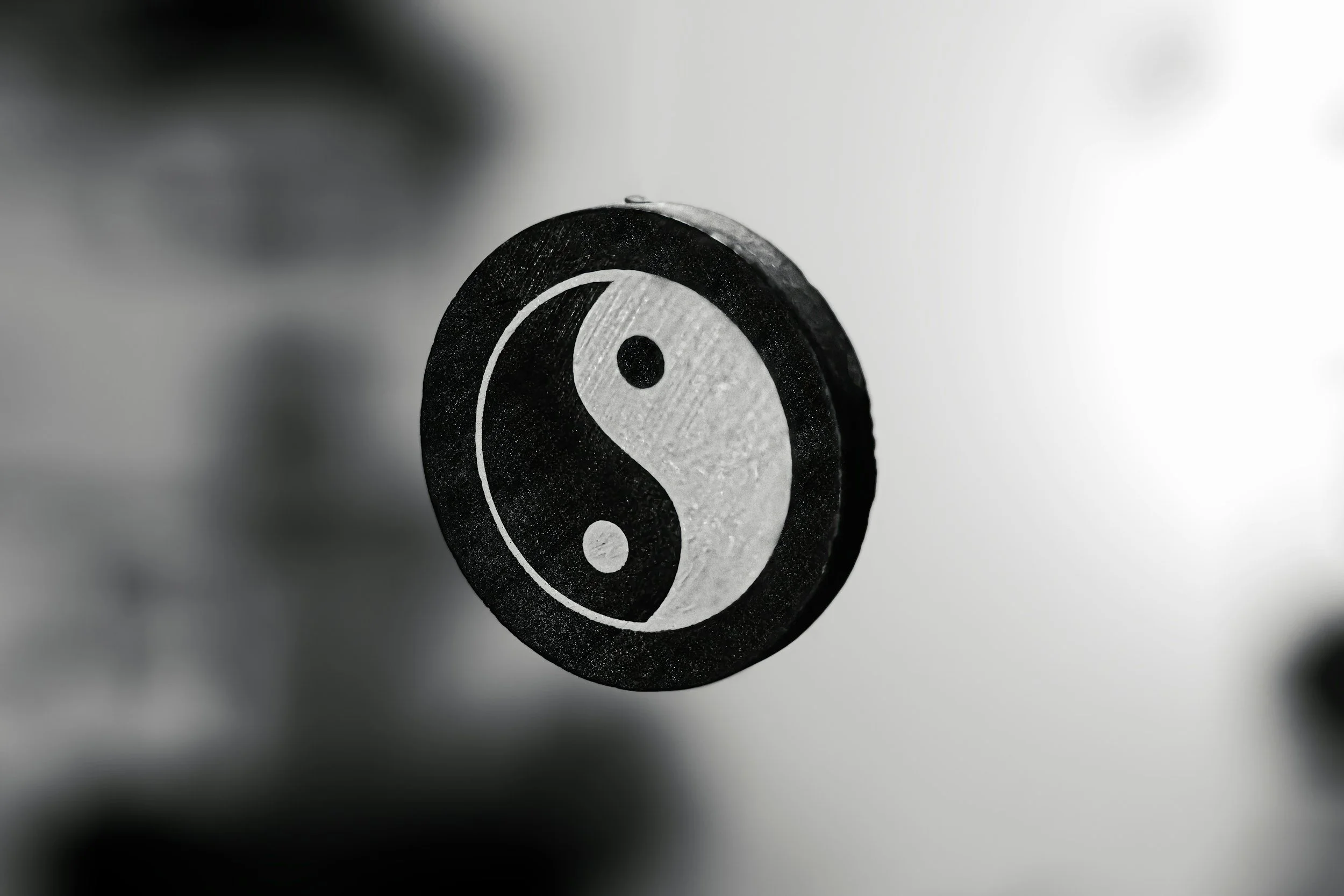
The yin yang symbol represents wholeness by the recognition of opposites and need for balance
This doesn’t mean that we start behaving rudely, recklessly or unkindly - I’m not going to start littering! It means acknowledging that we are actually more likely to be that way unintentionally by not recognising the ‘bad’ side of ourselves. We repress it because we have clung too tightly to an identity that others have told us, since we were very young, is the only version that’s acceptable.
For me, integrating the shadow might look like acknowledging that sometimes I do want to take the easy option or not have to be responsible all the time. I don’t have to become completely irresponsible or start launching food packaging from my car window as I drive down the road, I can just find ways to release responsibility when I can, or forgive myself for not doing the ‘right thing’ at every possible opportunity. It gives me empathy for others, is less tiring and means when I am being careful and responsible it’s a conscious choice to act on my values.
Denying our darker desires and impulses, ignoring the inevitability of death, rejecting the darkness that’s part of life is to live ruled by fear and can only lead to ill health in some way or other. So, this Samhain (or of course any time it feels appropriate!) see if you can invite a banished part of yourself to the table and consider if they’re really as ghoulish as you thought. Maybe a rejected part of you might not threaten to trick you at all, but could offer the treat of self awareness, compassion and wholeness.
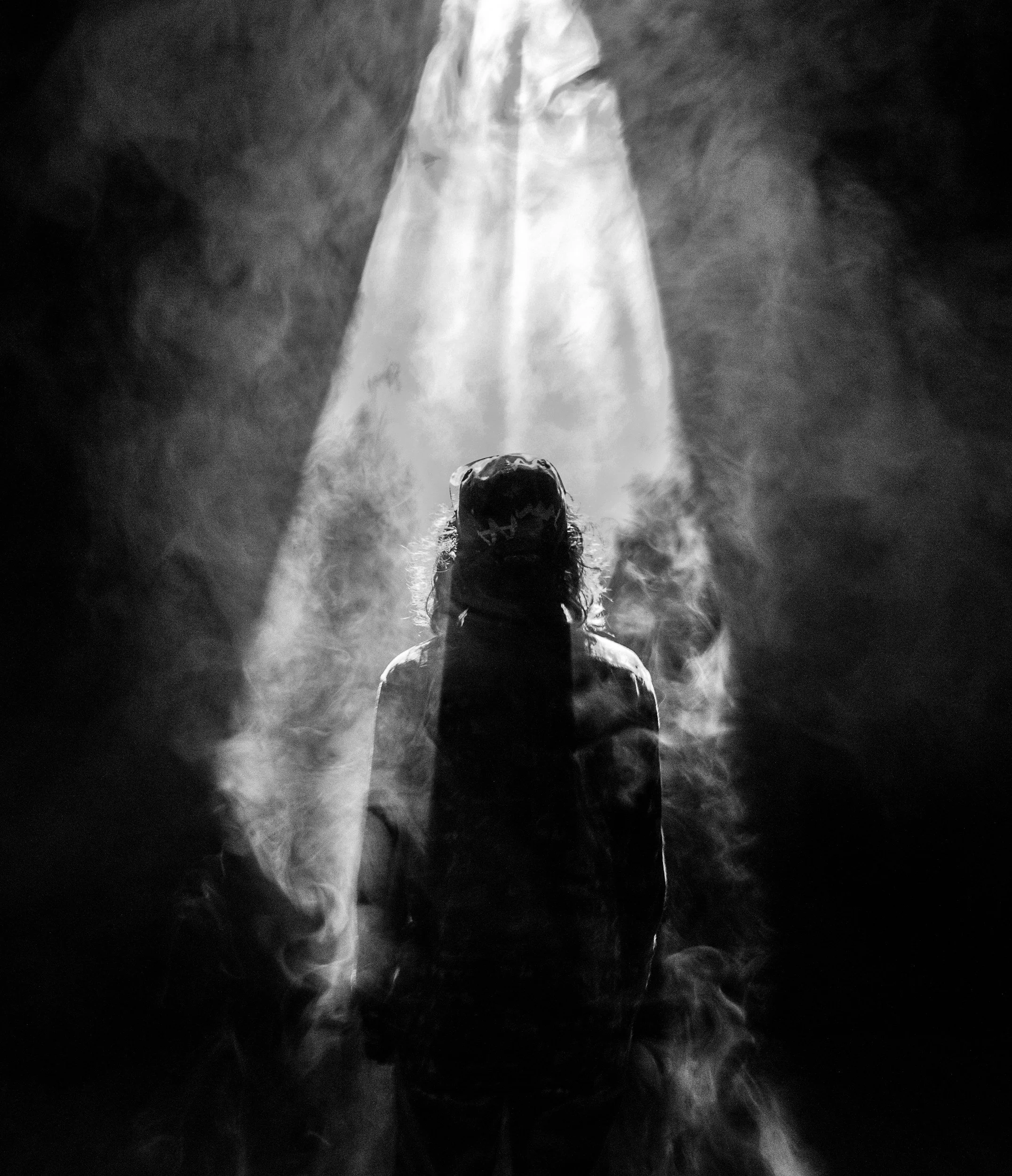
Journal/reflection prompts for working with the shadow
Go for a walk in the woods (or imagine doing this if that’s not available to you) - if you were to ‘move as your shadow’ what would this look and feel like? What would you do? Or not do?
What is a pet hate you have about others? Consider that this could be part of your shadow. Do you ever feel tempted to behave like this? What sense do you make of this part being banished?
As a child, what were you praised for? What aspects of yourself might that have meant you needed to hide? Can you think of any healthy ways you could reconnect with this part of yourself now? Perhaps there is something you’d like to say to it.