Why some places feel like home
Have you ever had that feeling of being ‘at home’ somewhere that you don’t live, didn’t grow up and perhaps have never even visited previously? What creates that feeling and what can we learn from it?


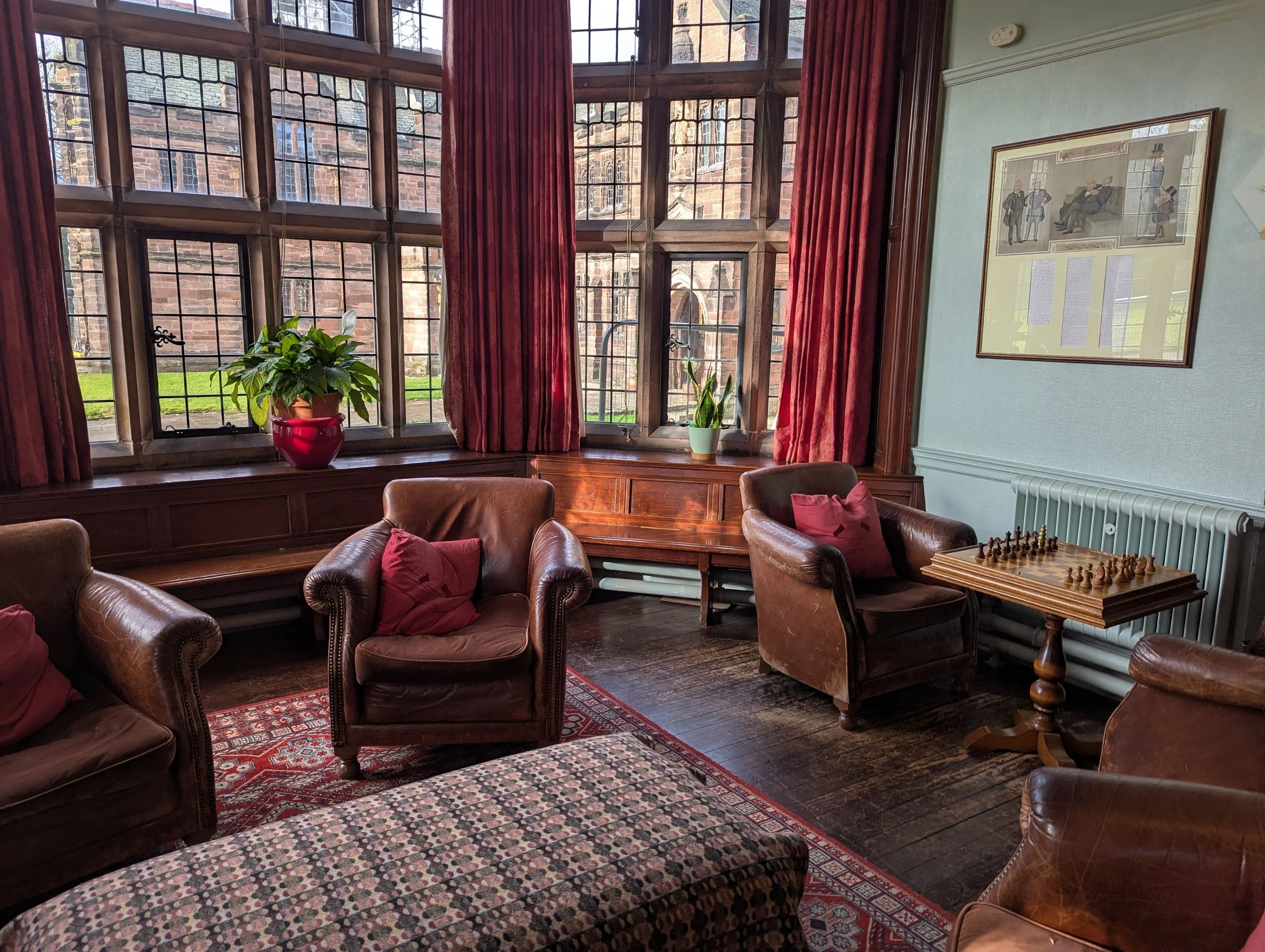

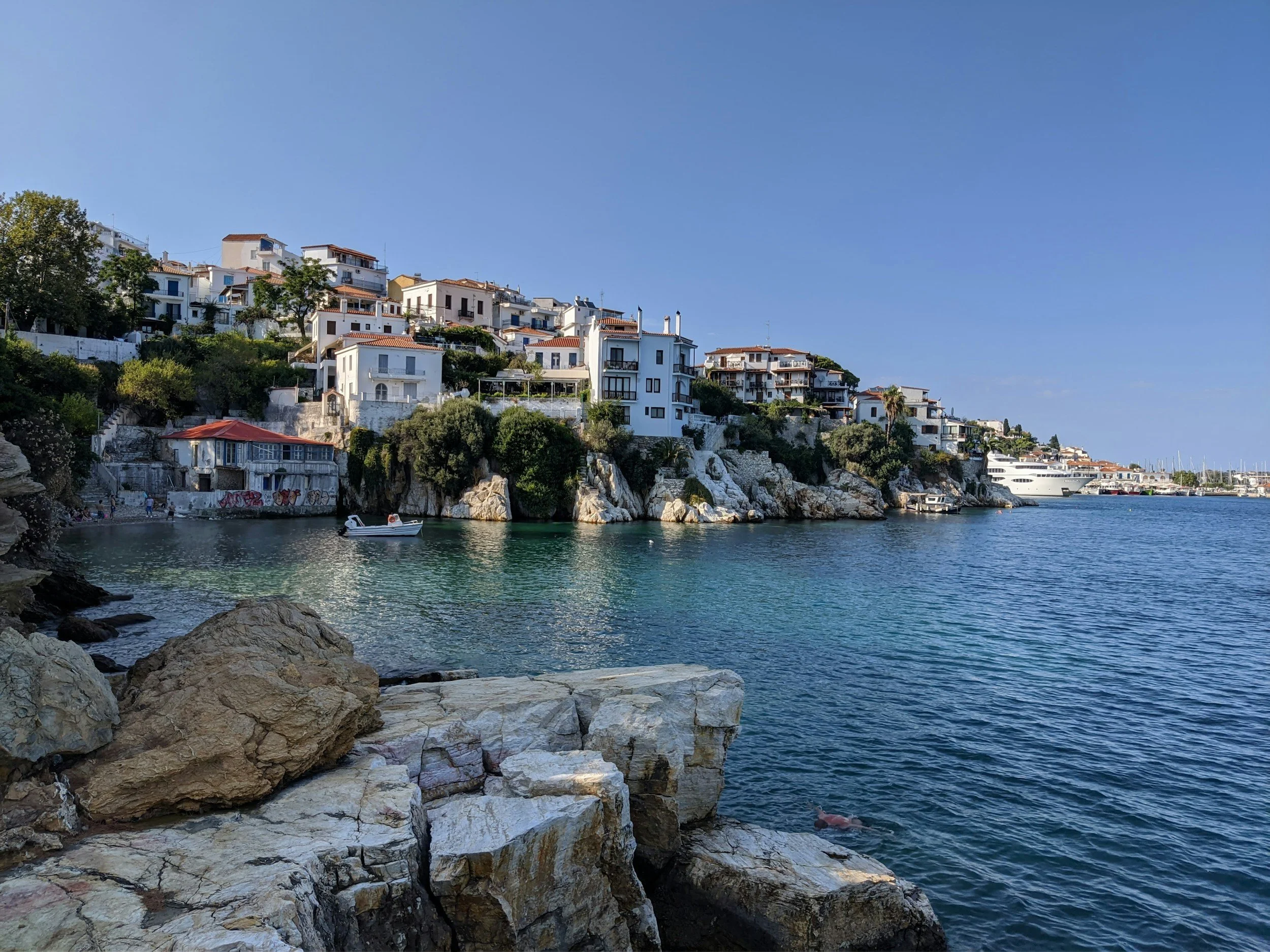
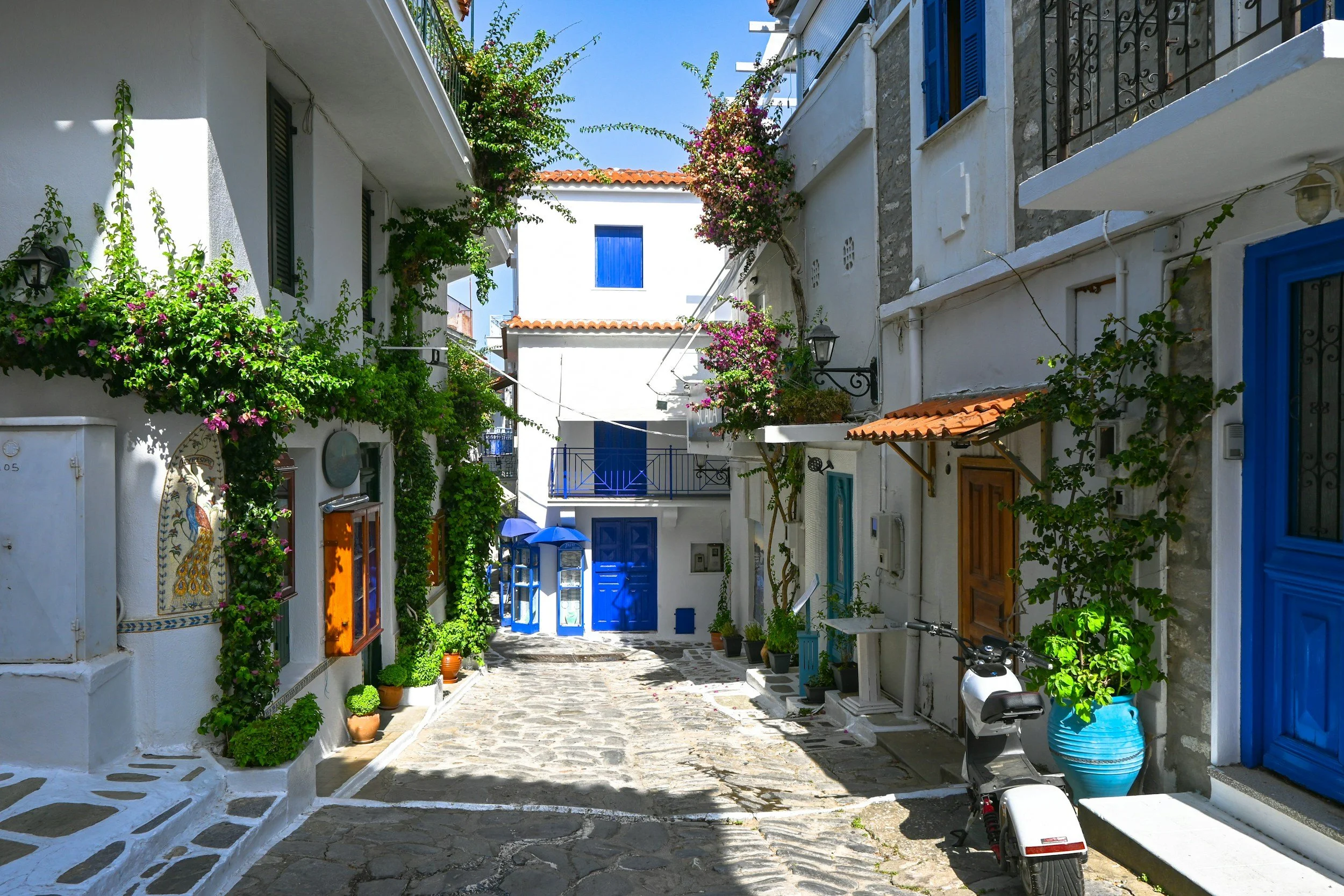
Photos: some places I feel at home, despite never having lived there more than a few weeks at most: Skiathos (Greece in general), the Lake District, Gladstones library (most libraries), Newborough forest, beach & Ynys Llanddwyn island in Wales.
I recently stayed at Gladstone’s Library in North Wales, and despite having only been in the building briefly a couple of times - when at Summer Camp at the nearby Hawarden Estate - I felt instantly at home. I don’t just mean that I liked it there, I mean that it felt right there. I felt right there. Do you know this feeling? Take a moment to picture the place; what were the sights, smells, textures and sounds around you? Who, if anyone, was there? What words come up for you as associations to these places that felt right, that felt like home?
For me: sunlight, the fresh resinous smell of pine trees, water, a sense of space, freedom, safety, green and blue, restful, birdsong, distant voices, coffee being made…
So what’s going on, when we have these ‘at home’ experiences? Well, to answer that I need to tell you what neuroception is:
Neuroception - a term from Polyvagal Theory
Our ANS (autonomic nervous system) is constantly scanning for cues of safety & danger in our own bodies, in others and in our environment. This happens unconsciously.
Our ANS is what controls many essential functions of the body, such as heart rate, digestion and emotional state. We can be dysregulated - fight/flight, fawn or flop/freeze - or regulated. This is when the parasympathetic or ventral vagal state is engaged. You may also have heard of this as being in your ‘window of tolerance’. We mistakenly think of being regulated just as being calm or safe, but it’s also when we are connected, present, curious, playful and creative.
“Ventral vagal is when we are most alive, most at home in our bodies and the world.”
Sometimes we find ourselves in a place where there are so many cues of safety that our systems register go beyond ‘safe’ and we feel engaged, present, energised and content. If there’s too many brand new things, we might not have the ‘at home’ feeling and just feel excited. That’s where our associations come in. Our memories, thoughts and emotions will inform our neuroception - telling us from past experiences and knowledge what is safe and unsafe, good and bad, something to approach or avoid. Which is why we all have varying responses to different environments.
This creates a feedback loop, a bit of a confirmation bias effect: <unconsciously> ooh, sunlight, that feels nice, and there’s pretty colours —> I like it here (personal narrative) —> feels happy —> engages more —> more contact with positive cues —> experience & story created (personal meaning) ….and around again.
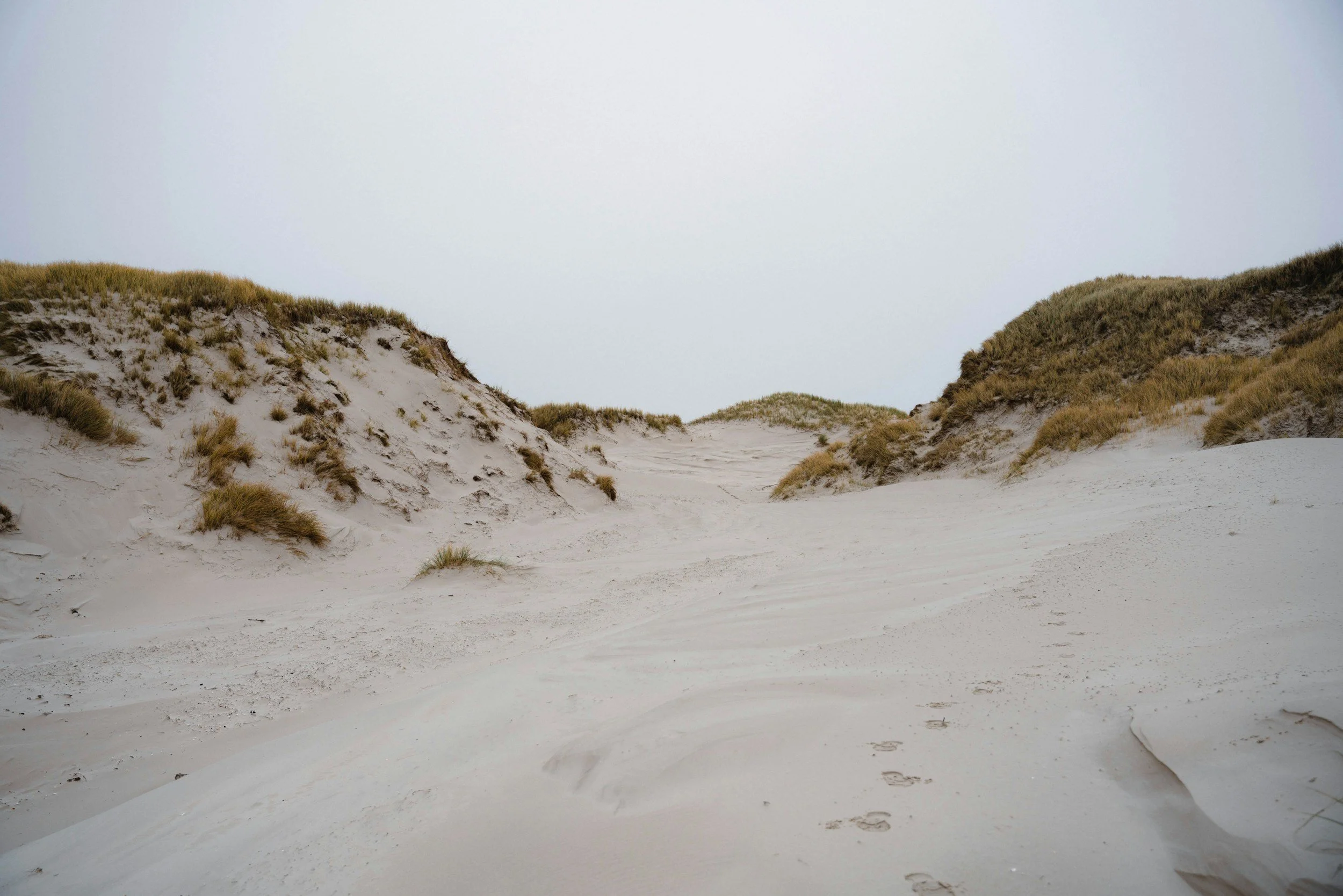
Home is not a place, it’s a feeling, but places can evoke that feeling.
“Home is not an address. It’s emotional safety & a sense of belonging. ”
A recipe for contentment
Knowing what can create that feeling of being ‘at home’ - which we now know is a combination of sensory cues and positive associations - is really helpful in terms of mental health. When we know, consciously, what makes us feel good, we can then go about creating more of these experiences. You could look at it like a personal recipe for your wellbeing and happiness; combine several (not necessarily all) the ingredients and you will have that delicious feeling of home.
A real bonus of this is that you don’t have to have had a good home in your childhood to create this feeling. Neither do you need to have easy assess to people who feel like family. This is about place and sensory experience.
Of course, this isn’t an instant remedy or cure for life’s tricky problems, but it does help if you are trying to improve your mental health and come at your problems from a more regulated place. It doesn’t mean that you need to move house and live in one of the places you’ve had an ‘at home’ experience (though I’m also not saying don’t do that…) , just that you might need to visit more regularly, or find other ways of surrounding yourself with the right environmental cues of safety and connection. Here’s some examples of how I do this in day to day life, so that you can adapt these ideas to suit your own situation and preferences:
Do my admin at my local library
Read in a coffee shop for an hour
Have plants around my home
Surround myself with colours that make me feel good - on the walls, my clothes, accessories etc
Plan trips to my favourite places, this gives me something to look forward to
Have access to scents I like - lemon, coffee, basil, my dog, old books, pine
Look at photos or artwork that brings positive memories and associations
Intentionally make time for hobbies at evenings and weekends
Attend a bookclub (or two, actually!)
Go to, and probably in, water, ideally the sea but a lake will do, in times of distress

Know Thyself
The phrase γνῶθι σεαυτόν (know thyself) was inscribed on the ancient Greek temple of Apollo in Delphi; the philosophers then knew that self knowledge was the hallmark of wisdom. I’d add that self knowledge is also the foundation for happiness and wellbeing. Without that, it’s hard to make intentional choices that support what feels good, for you. So, if you don’t know where, or what or who, makes you feel ‘at home’, start with getting to know your own likes and dislikes first. Do this by thinking but also through the body - notice how you respond to sights, sounds, touch, smells.
“Instructions for living a life. Pay attention. Be astonished. Tell about it.”
Tell yourself. Tell your loved ones, especially if they feel like home. Tell your journal. Tell your therapist. If you find something, somewhere or someone that feels like home: notice it. Relish in it. Tell about it.