The 7 Types Of Rest You Need
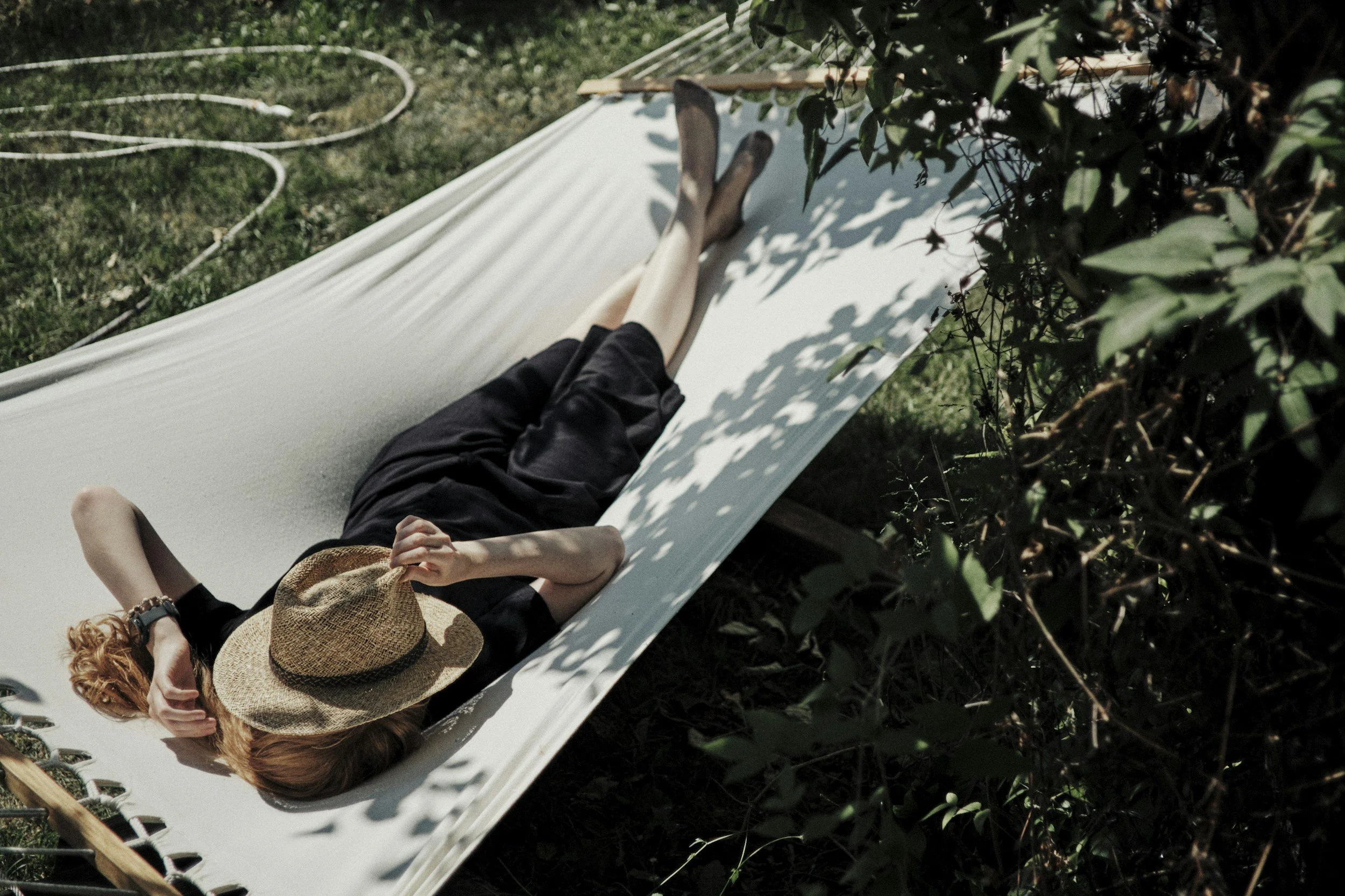
Sometimes you want a nap. Sometimes you want a week at beach with no responsibilities beyond putting sun cream on. Other times you just need everyone to leave you alone for a bit. Or to give you a hug.
Understanding that rest is far more than just sleep is a vital first step to finding what kind of rest you need to feel your best. Whether you’re interested in burnout recovery, reducing stress, improving your wellbeing or working towards your goals, rest is essential.
The 7 types of rest model was created by Dr Saundra Dalton-Smith, a doctor, researcher and author of Sacred Rest. I like this theory so much I created a retreat based on it, giving guests the opportunity to experience all the types of rest and explore how they might integrate more rest into their lives back home.
But you don’t need to go on a retreat to do this (though it’s lovely and you’d be very welcome!!). Here I will lay out the 7 types of rest - in no particular order - and some ideas of what this could look like in your life:

Physical Rest
This is the most obvious type of rest, and it’s usually easy to notice when you need it - you’ll be yawning, your body feeling low on energy and eye lids getting heavy. You may need more sleep, or simply time not moving too much; think sofa day or early night where you read or watch a movie in bed. This is passive physical rest - basically doing nothing.
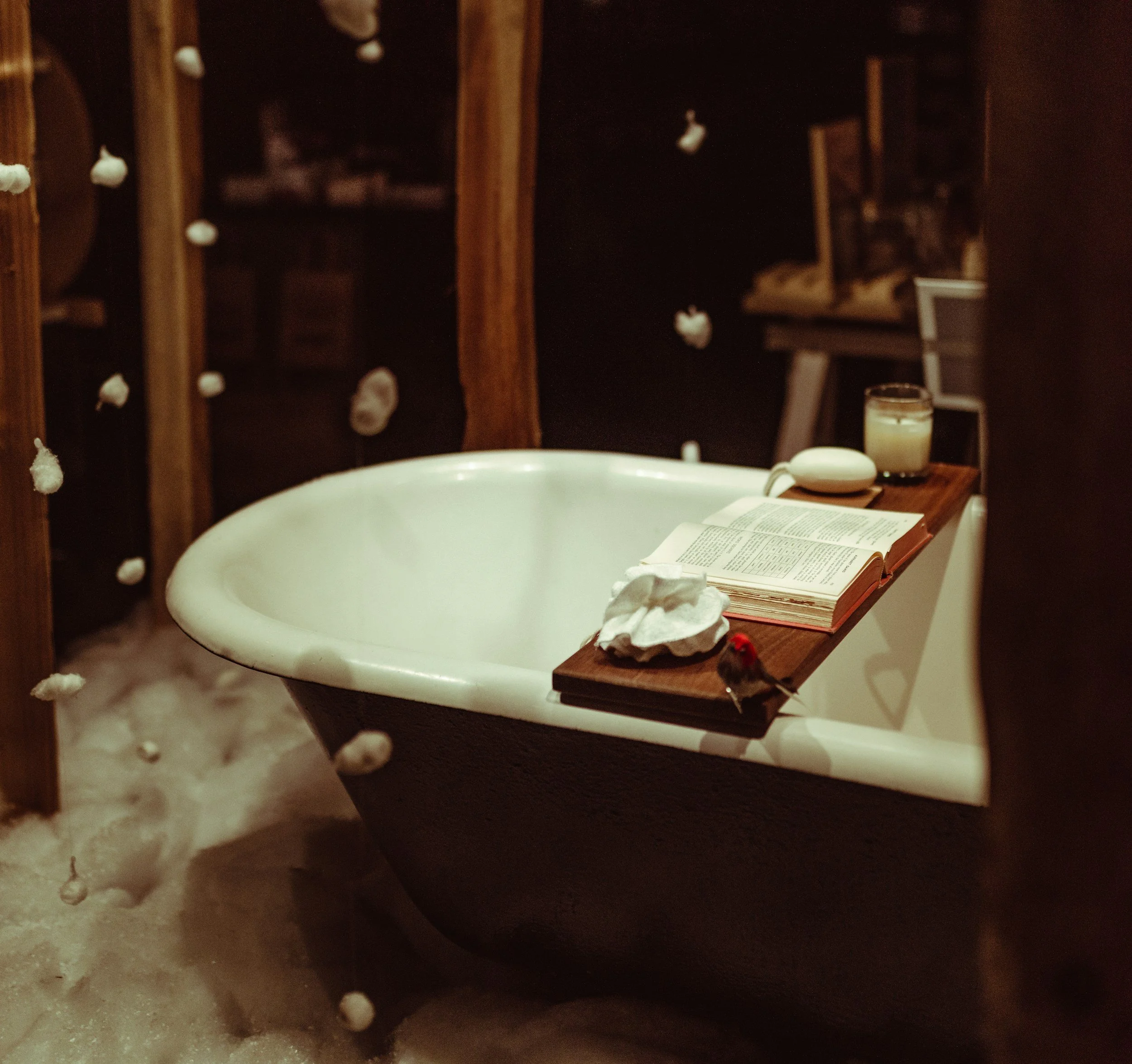
But the body needs more than just lying down. Massage, stretching, yin yoga, qigong and hot baths are examples of active rest - where something soothing is happening to help release tension and relax the body.
Social Rest
You need social rest when you’re just absolutely done with everyone’s shit. Well, ideally you need it before this so you don’t get to that point! Introverts will, unsurprisingly, need more of this than extroverts. Social rest could mean time on your own, away from others. It can also mean being around people you feel comfortable with, who you can be yourself around and don’t require you to mask or be “on” around them.
Sensory Rest
Modern life is full of lights, noises, people and screens - you are probably experiencing sensory overload on a regular basis. Taking a break from these things regularly is important, otherwise overstimulation becomes the norm and our nervous systems struggle to regulate.
You can make adjustments to lighting, sound and textures in your environment to bring sensory rest into day to day life. In addition to this, especially if feeling overstimulated, you can be intentional about sensory rest by engaging in meditation, spending time in nature (birdsong, the wind in the trees and running water/waves are shown to be soothing, for example), putting boundaries around screen time or even trying a floatation tank experience.
Mental Rest
You need mental rest when you can’t “switch off”, when the mind is busy and you have a million things to take care of. Typically, your brain will resist slowing down and stepping away from busyness when you’re in this state because you have so much to do. But thinking that way is a sign you are mentally overloaded and need to over-ride the desire to go go go and do less less less.
Work, childcare, life admin…adulting is full of responsibilities that take mental energy to deal with. Everyone has limited energy each day and it’s important we make time to ‘switch off’ and recharge, otherwise we’re not functioning sustainably and that’s when we start to make mistakes, feel stressed and get ill.
You must give yourself permission to rest, even (especially) when there’s still things left on the to-do list. Mental rest can look like anything that doesn’t need to you think too hard or make any decisions. Maybe it’s re-watching a favourite film, reading something that feels like escapism, doing some mindful art or crafty (nothing complicated - think paint by numbers or mindful colouring) or baking a simple cake whilst listening to music.
Emotional Rest
Life can be a lot sometimes, especially when there are multiple difficulties happening in your life, or around you, at once. Emotional rest requires us to notice this and respond with compassion; allowing us to step away from intense or challenging situations - a least temporarily. But emotional rest isn’t about avoiding the difficult or gaslighting ourselves with a ‘positive vibes only’ mentality; it’s about allowing ourselves to express our feelings and be authetnic. It is emotionally draining to keep our emotions bottled up or masked - as the saying goes, you have to feel it to heal it!
Emotional rest might involve having a good cry or a cathartic shout/scream (not at somebody - try into a pillow or underwater if you go for a swim) . It might be having a proper chat with a good friend and sharing what’s on your mind and saying how you really feel. You could write a letter (you don’t have to send it) or do some journaling. Meditation practices like RAINN can help, or you can talk to a counsellor who will help you name, understand and express your emotions.
Spiritual Rest
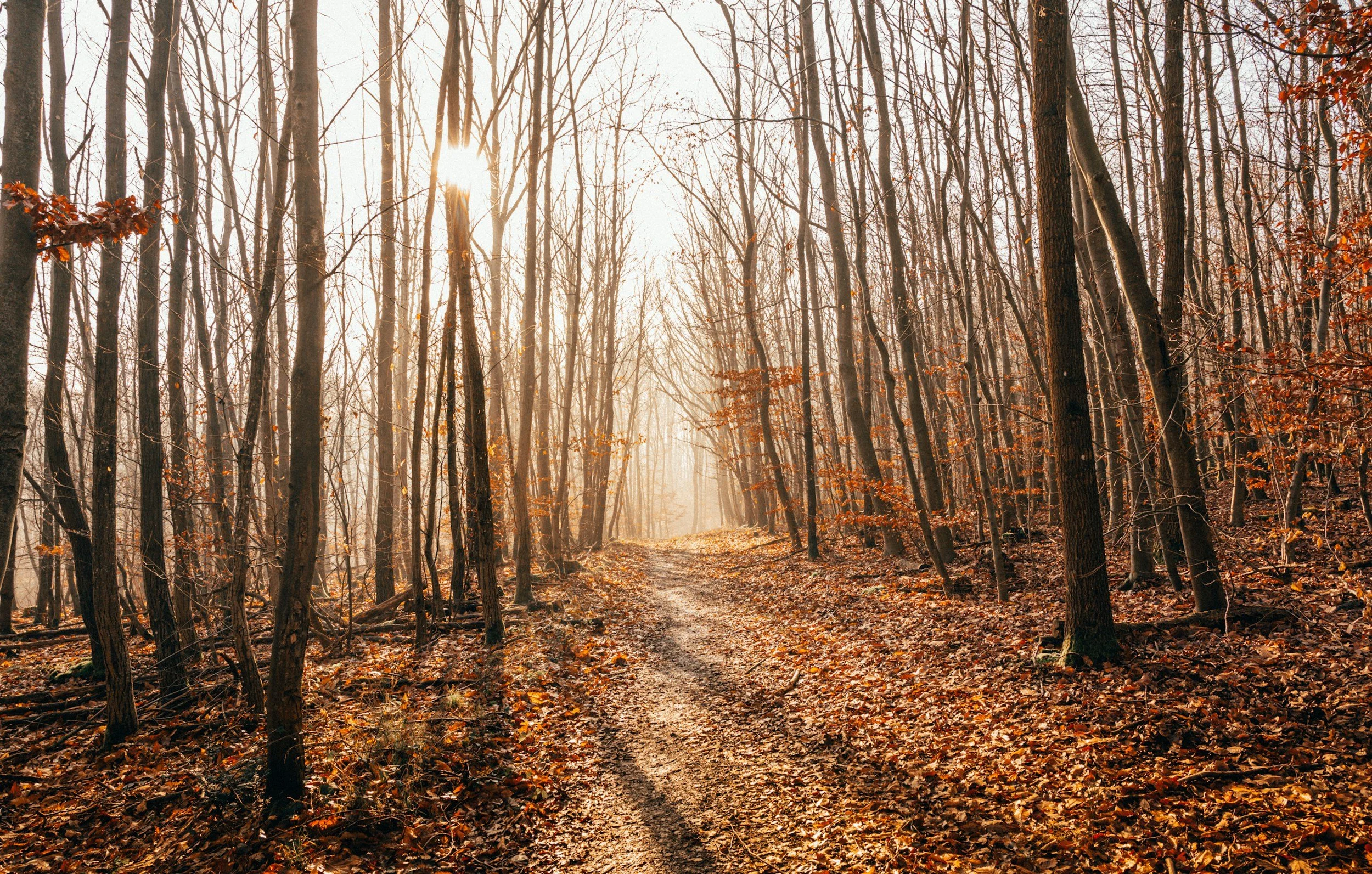
This types of rest is about connecting to something greater than yourself. Of feeling connected to life/God/the universe and finding peace, belonging and meaning in that. I think of it like ‘zooming out’ in a way that allows you to minimise, in a good way, the finer details and niggly day to day problems of life. You don’t have to be religious to experience this type of rest, though if you are you have regular access to it through prayer and acts of worship. Spiritual rest can also be found through mindful time in nature (perhaps try Forest Bathing), meditation, community engagement or star gazing.
Creative Rest
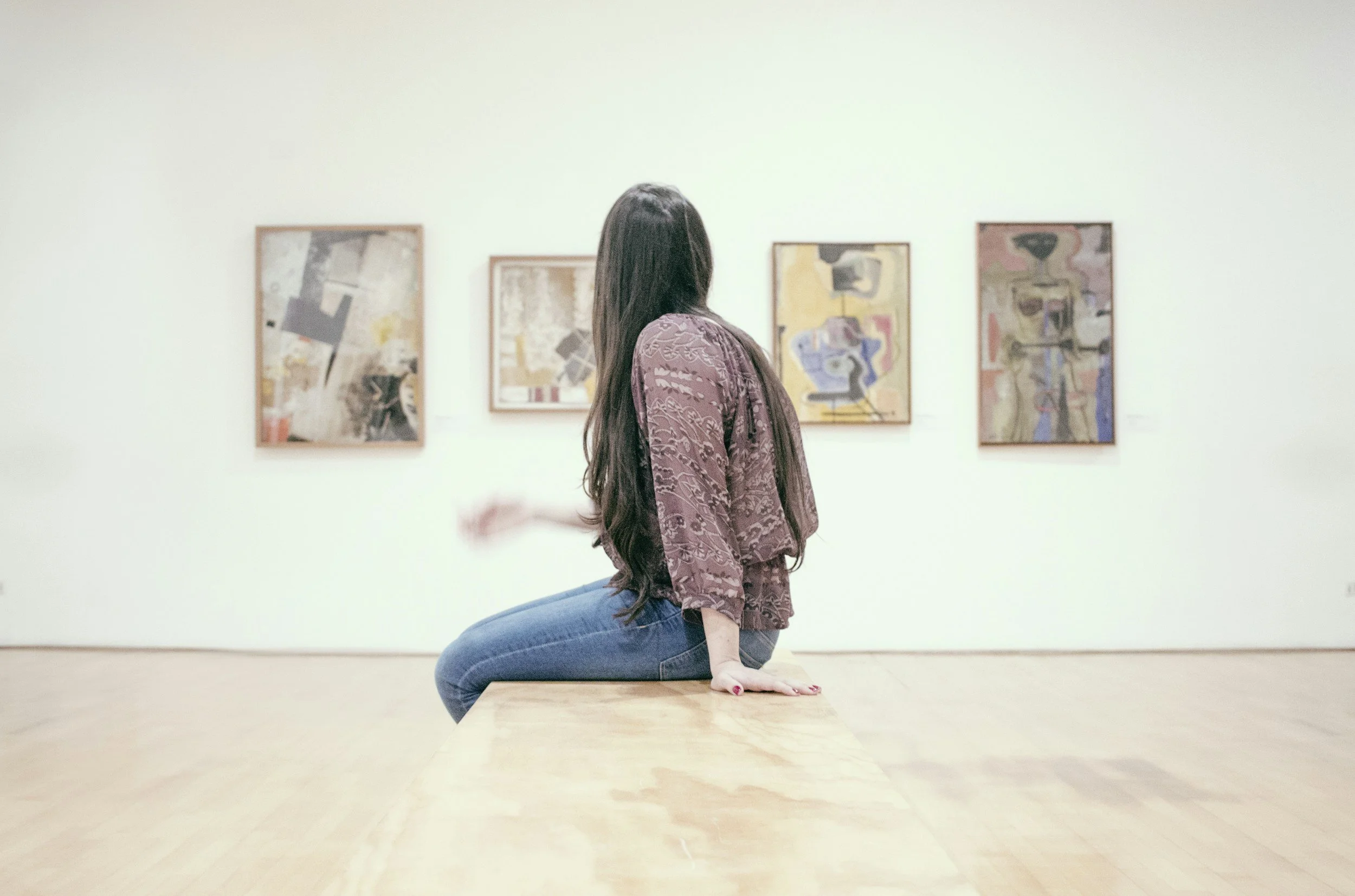
This type of rest is about reconnecting with awe and inspiration. It’s especially needed if life has become a little dull or routine and you’re feeling a bit flat. Being in beautiful environments such as the beach, mountains or forests are a sure-fire way to inject some creative rest into your life. But if that’s not available, you could try going on an ‘awe walk’ in you local area; literally looking for beauty, curiosities and the intriguing or inspiring. Visiting a gallery, seeing live music or theatre are other ways to get some creative rest in your life. You might do something creative yourself as a result, but it’s not about producing something “good”, just using your imagination and expressing yourself is important.
Don’t over complicate it.
Although I’ve broken down rest into the types described by Dr Daulton-Smith, it’s important to note that we don’t now have a 7 point check-list to add to our already full schedules. Many restorative activities will combine multiple types of rest and don’t need huge amounts of time, money or effort to get. For example, sitting in the garden or your local park with a tea, listening to the birds or people watching will tick pretty much all the boxes. Having a candle lit bath whilst listening to your favourite music, maybe singing along, and having a nice drink will provide sensory, mental, emotional and physical rest. Watching a new season of a favourite tv show with your partner or best mate, curled up on the sofa with snacks, will give you at least a couple of types of rest too.
Reflection
When you read through the types of rest, which stood out to you as lacking in your life? Consider a small step you could take towards getting more of this, and when you do, notice how you feel.
Thought experiment: imagine you’ve just been gifted £500 and two days off to rest…take a moment to picture your ideal restful weekend. Imagine what you’d spend the money on. Where would you go? What would you do? Who - if anyone - would be there? Notice what you wouldn’t have to do/who you wouldn’t be around. Now reflect on what came up for you, as there’s probably some clues as to the types of rest you’re most needing right now. Even if you don’t have a spare £500 and two days off, you can still find ways to slow down and recharge.
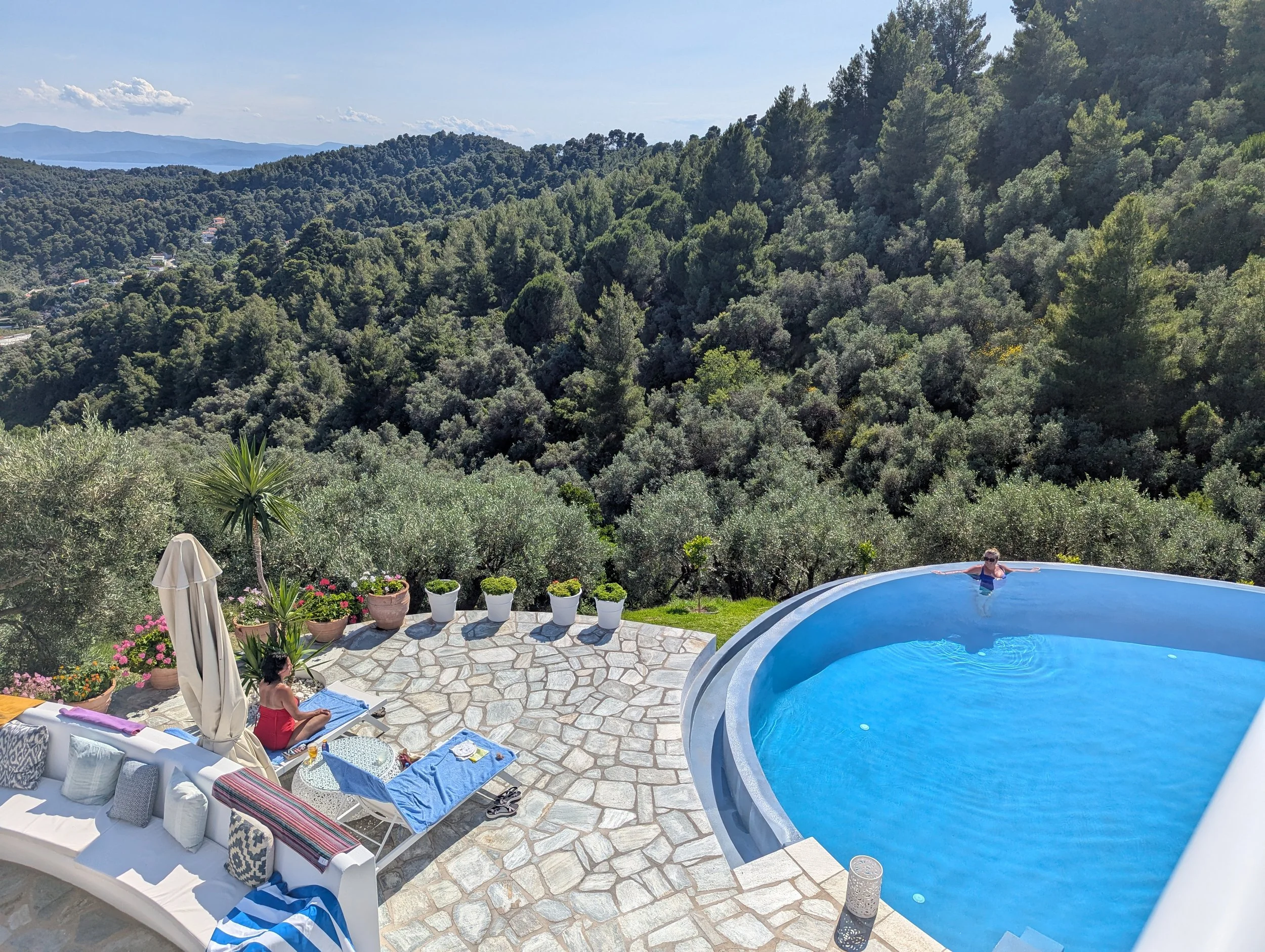
The ultimate rest experience on our Greek retreat